Waikato River Trails Riparian Work: A 10-Year Snapshot
A decade of riparian planting along the Waikato River Trails paints a picture of community, connection, and commitment.
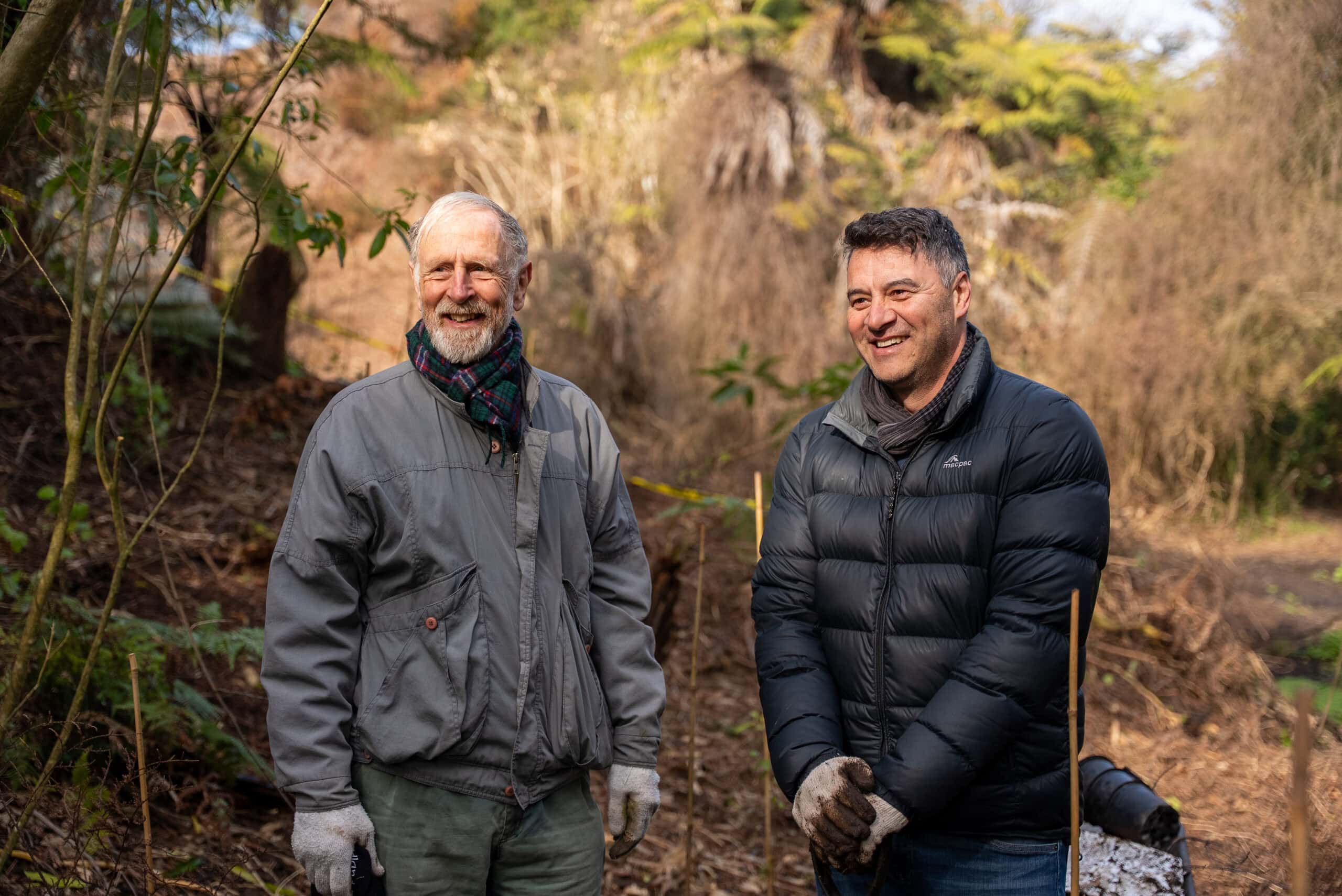
Over the past ten years, more than 2,000 volunteers have planted over 126,000 native trees.
Waikato River Trails General Manager Glyn Wooller says the riparian planting projects have not only transformed the landscape but have also made a huge impact on the people involved.
“As well as enhancing the environment, it’s the connection with the community that’s the real gold,” he says.
“Every tree is planted by a volunteer – including schools, businesses, and community groups – and that’s a really special part of our purpose and storytelling.”
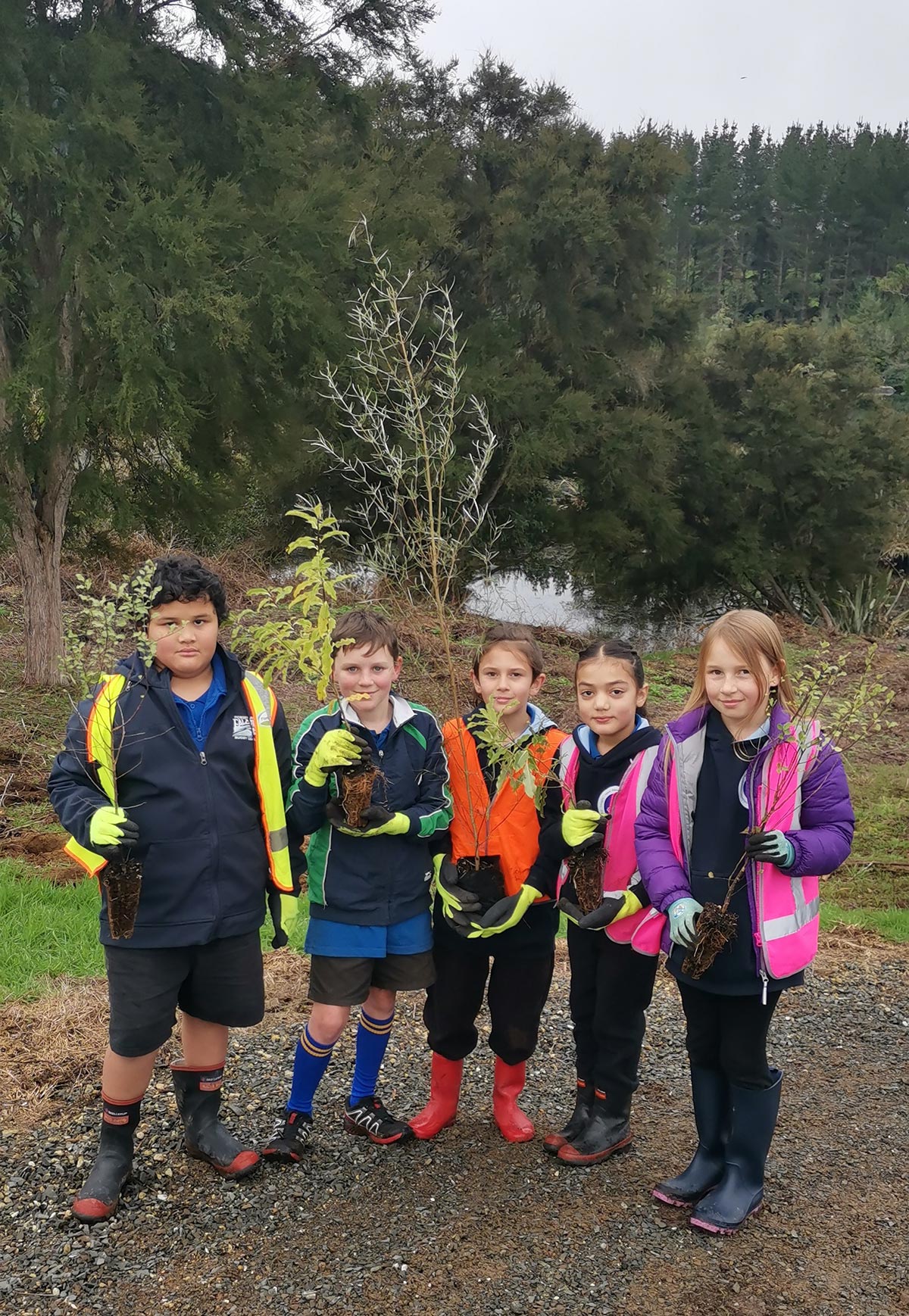
Amid the often gloomy headlines about environmental degradation, Glyn says younger volunteers in particular gain a real sense of achievement from being part of the plantings.
“There’s a lot of negative information about climate change, and it’s quite a burden to carry on their young shoulders,” he says.
“We get kids coming back year after year, and they get to see the positive effect their efforts are having on the environment.”
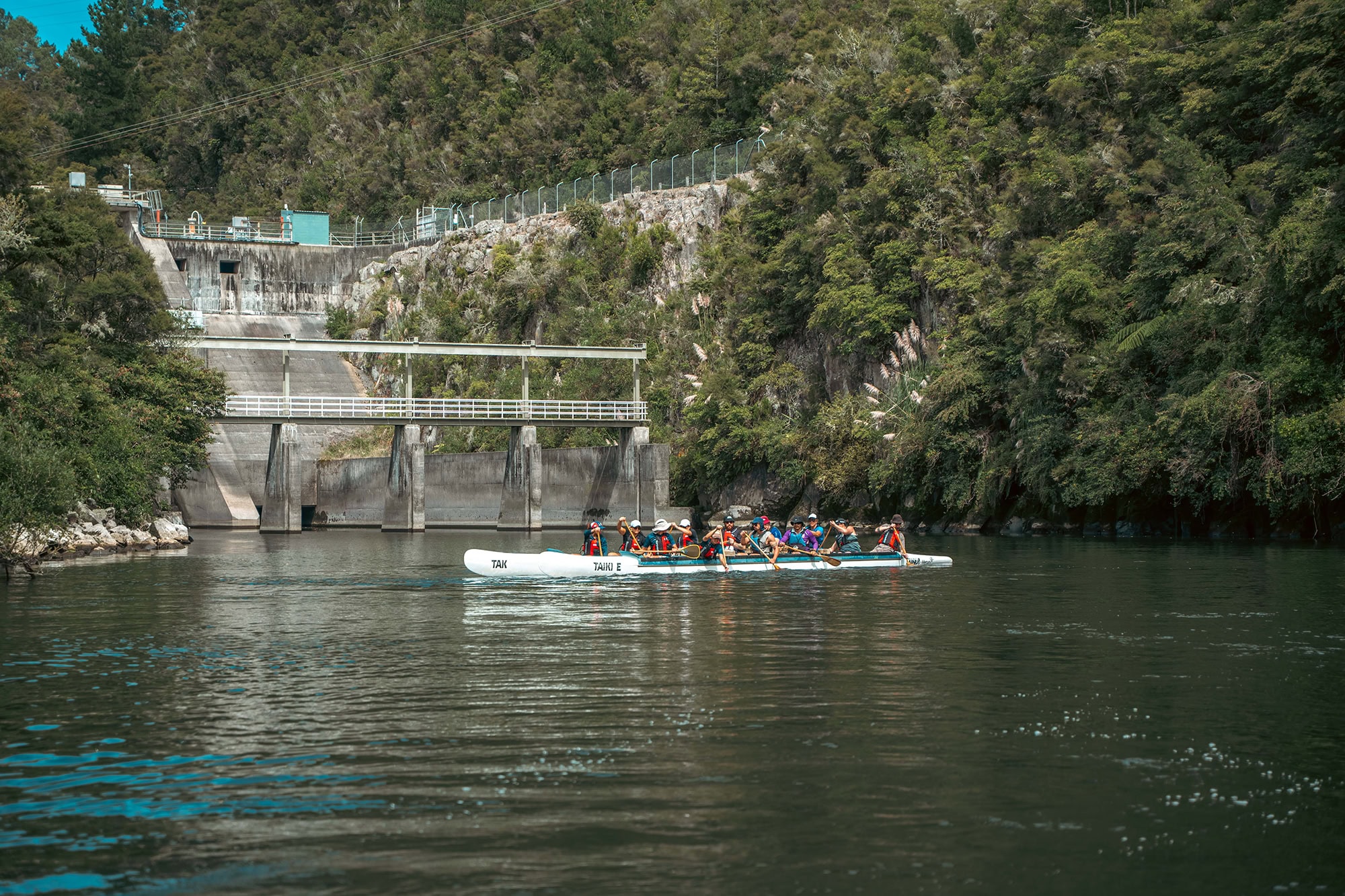
Established in 2005 to develop a network of trails along the Waikato River and bring more visitors to experience the picturesque South Waikato region, the Waikato River Trails were officially opened in 2011.
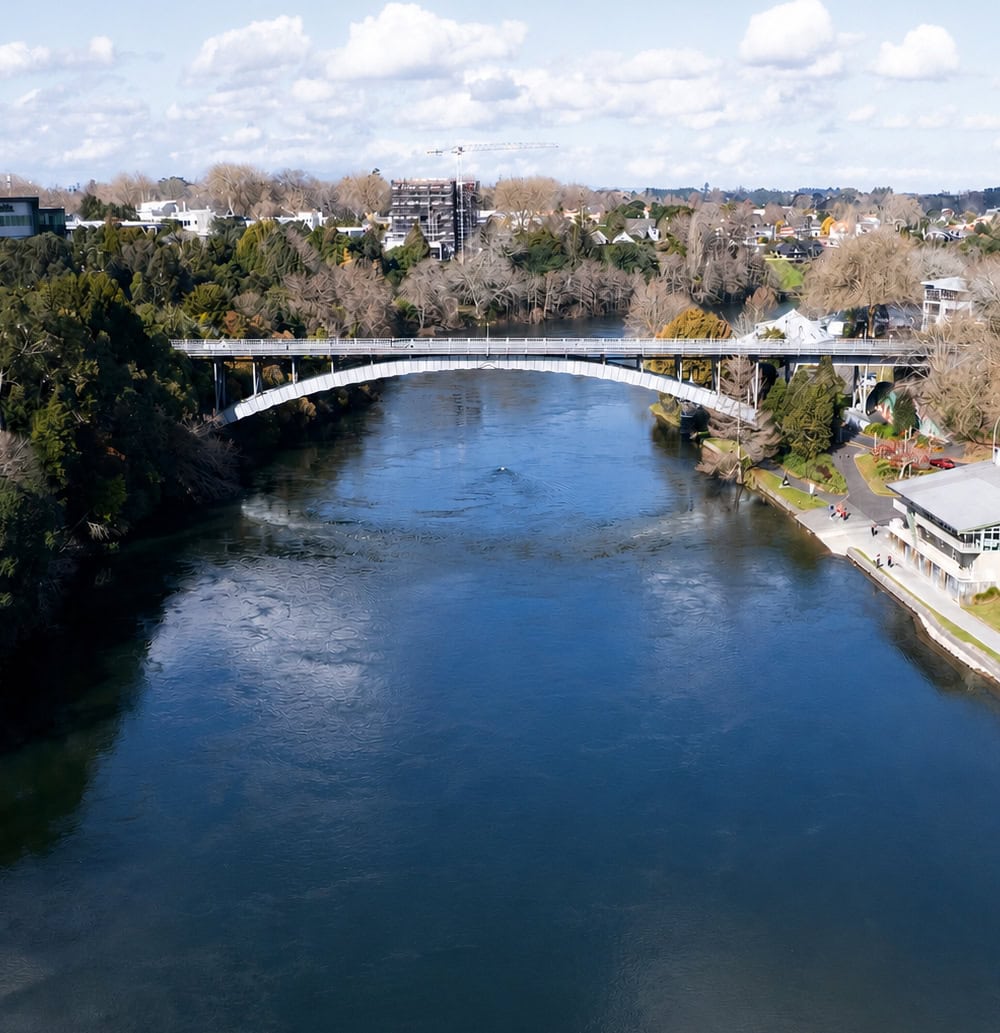
Stretching for more than 100 kilometres, the trails follow the river from Atiamuri Village in the south to the southern end of Lake Karāpiro in the north.
Since their official opening, the Waikato River Trails Charitable Trust has received funding from the Waikato River Authority to regenerate river margins and plant several thousand native trees each year.