The Waikato River Authority says it supports the practical implementation of Plan Change 1 (PC1) but says this must not come at the expense of the long-term water quality outcomes the Environment Court has confirmed are needed to restore and protect the Waikato and Waipā Rivers.
The comments follow a public meeting hosted by Federated Farmers at Mystery Creek on 8 July, attended by hundreds of farmers concerned about the compliance costs and complexity of PC1, and this week’s signal from the Government that it is considering changes to address those concerns as part of wider RMA reform.
The Environment Court confirmed PC1 on 8 June 2026 as the “essential first step” toward achieving Te Ture Whaimana o Te Awa o Waikato, the legally entrenched Vision and Strategy for the river established through the Waikato River Treaty settlement. The Court found that further delay would risk further degradation of the river system.
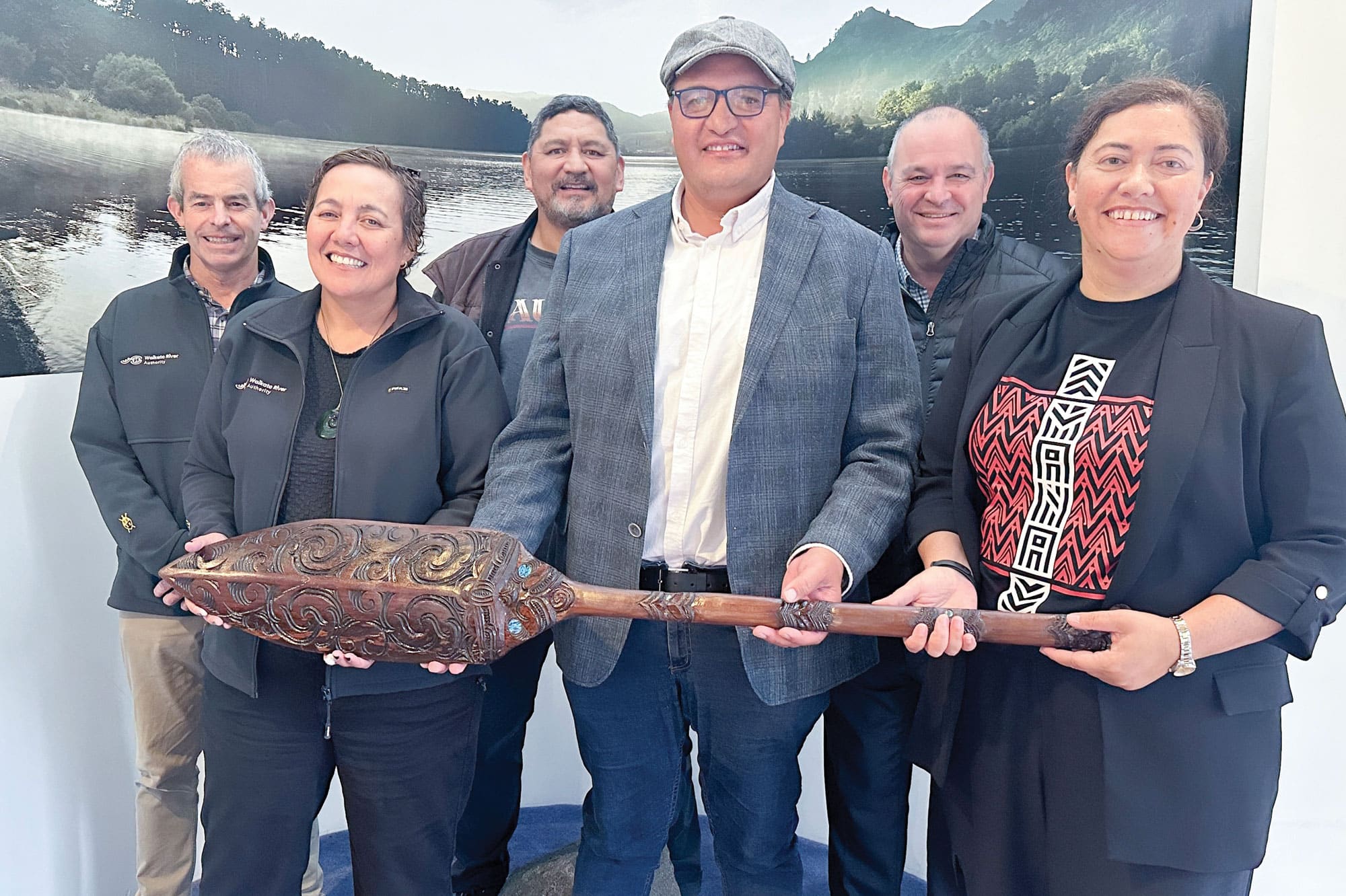
WRA Co-Chair Stu Kneebone said the Authority understood why farmers were concerned about the cost and complexity of Plan Change 1 and did not dispute that these were legitimate issues for Waikato Regional Council, the primary sector and organisations such as Federated Farmers.
“At the same time, we can’t keep kicking the can down the road and making Plan Change 1 the next generation’s problem. We all have a responsibility to begin its implementation now so we leave the awa in a healthier state, not a more degraded one.”
Mr Kneebone said the Authority’s role was not to relitigate PC1’s technical detail, but to ensure that whatever solution emerges continues to give effect to Te Ture Whaimana.
“Te Ture Whaimana was agreed by Crown and iwi through Treaty settlement legislation. It sits above any single plan change and doesn’t change regardless of how PC1’s implementation is worked through. Any intervention needs to keep faith with that commitment and with the water quality outcomes the Court has confirmed are necessary.”
WRA Co-Chair Danny Loughlin said Federated Farmers’ position did not represent the views of every farmer in the catchment, pointing to the Authority’s own long-standing partnership with farmers to improve on-farm practice.
“Federated Farmers represents its members, and that’s a legitimate voice at the table, but it doesn’t speak for every farmer in this catchment. For 15 years WRA has worked directly alongside farmers through our clean-up fund, including $80 million invested across 500 projects to fence waterways, plant riparian margins and cut sediment and nutrient loss. A lot of farmers are already doing this work, some well ahead of what PC1 will require.”
Mr Loughlin said the scale of nutrient loss from dairying in parts of the catchment underlined why the Authority did not want to see PC1’s outcomes diluted. The Environment Court decision found that all tributaries of the Waikato River from Taupō to Karāpiro recorded worsening nitrogen trends over 1990–2020, the period that also saw the greatest pastoral intensification.
Mr Loughlin said the Authority also wanted to see the voices of river iwi and the wider catchment community reflected in any government response, not just those of the farming sector.
“This isn’t a two-way conversation between government and farmers, it’s a catchment-wide one. Iwi, communities, industry and councils all have a stake in how this is resolved, and all have a role to play in restoring the health of the awa. Mā rau ringa e ora ai te awa – many hands will restore the river.”
The Authority said it would continue to work with Waikato Regional Council, central government, iwi and industry groups, including DairyNZ and Federated Farmers, as the detail of any government response to PC1 is developed, and reiterated its support for a practical, durable outcome that does not undermine the long-term restoration of the awa.
ENDS
Media contact
Te Anga Nathan
Pou Kōrero, Waikato River Authority
teanga@waikatoriver.org.nz
021-325-701
About the Waikato River Authority
The Waikato River Authority is an independent statutory co-governance body established in 2010 through the Waikato River Treaty Settlement legislation. Made up of equal Crown and iwi representatives, the Authority is the custodian of Te Ture Whaimana o Te Awa o Waikato, the Vision and Strategy for the Waikato and Waipā Rivers, and promotes an integrated, holistic and coordinated approach to restoring and protecting the health and wellbeing of the river system. Through the Waikato River Clean-up Trust, the Authority invests in projects and initiatives that support the long-term restoration of the awa for future generations.