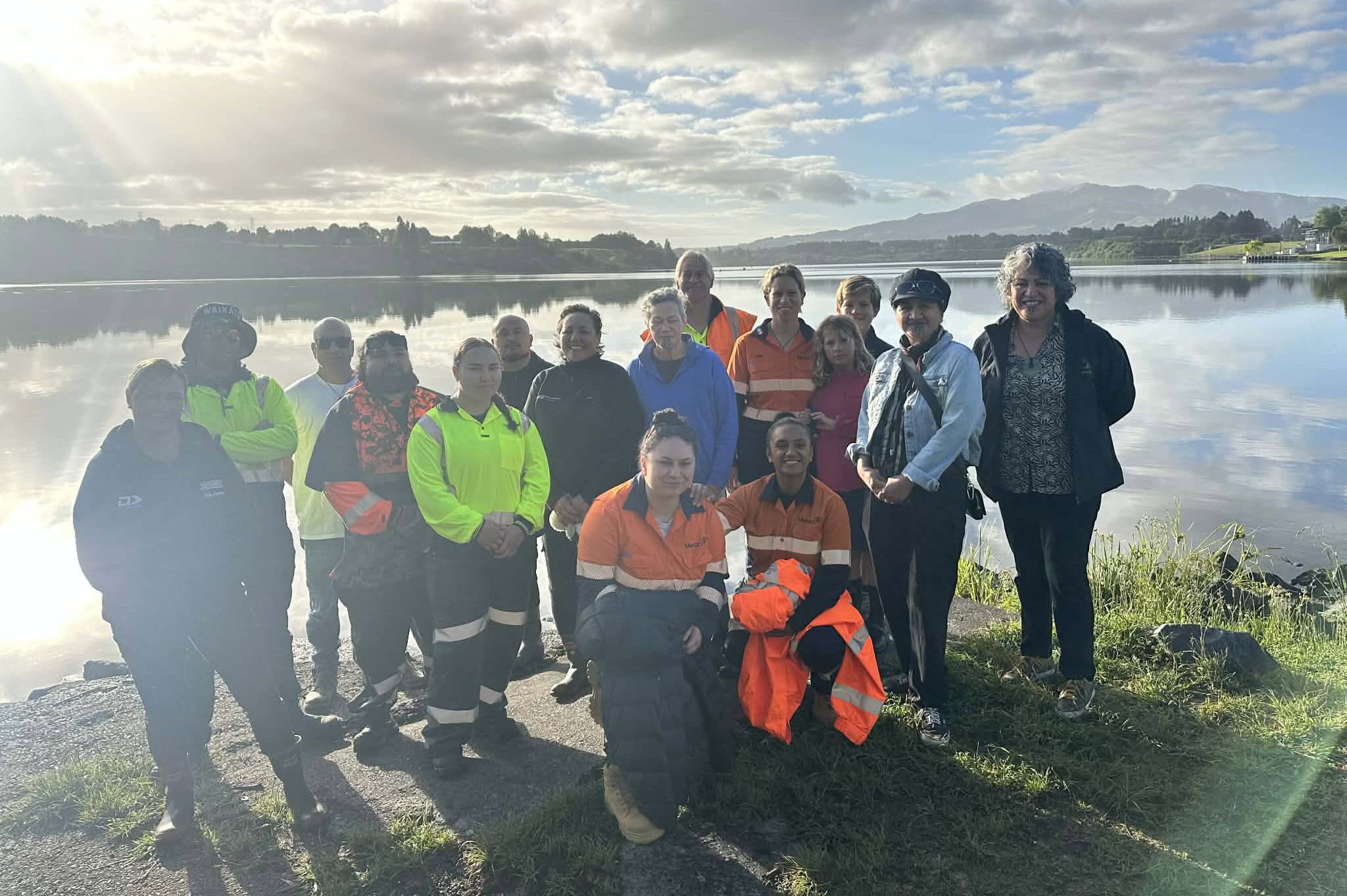
Iwi-led elver release at Waka Ama Sprint Nationals
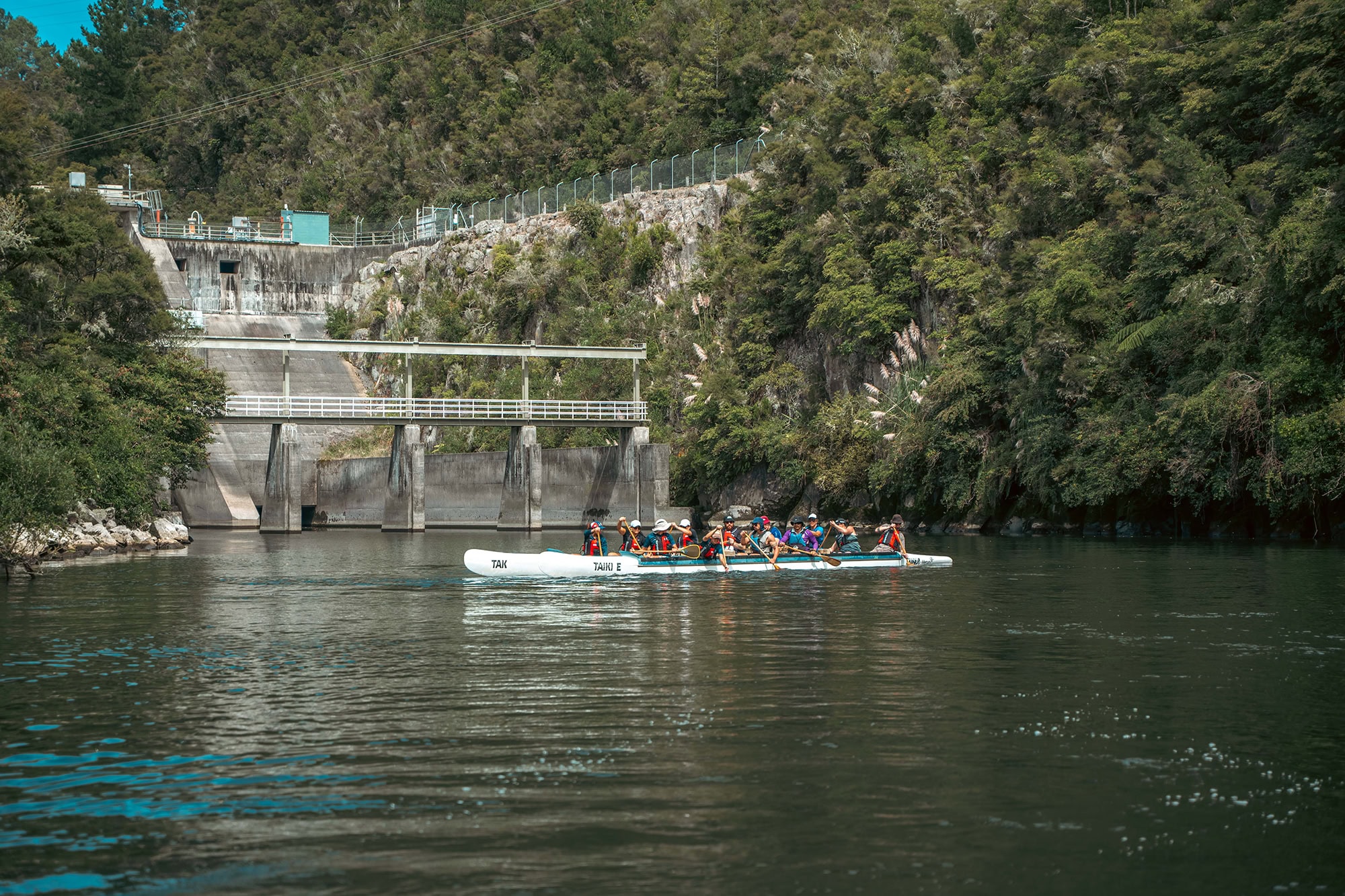
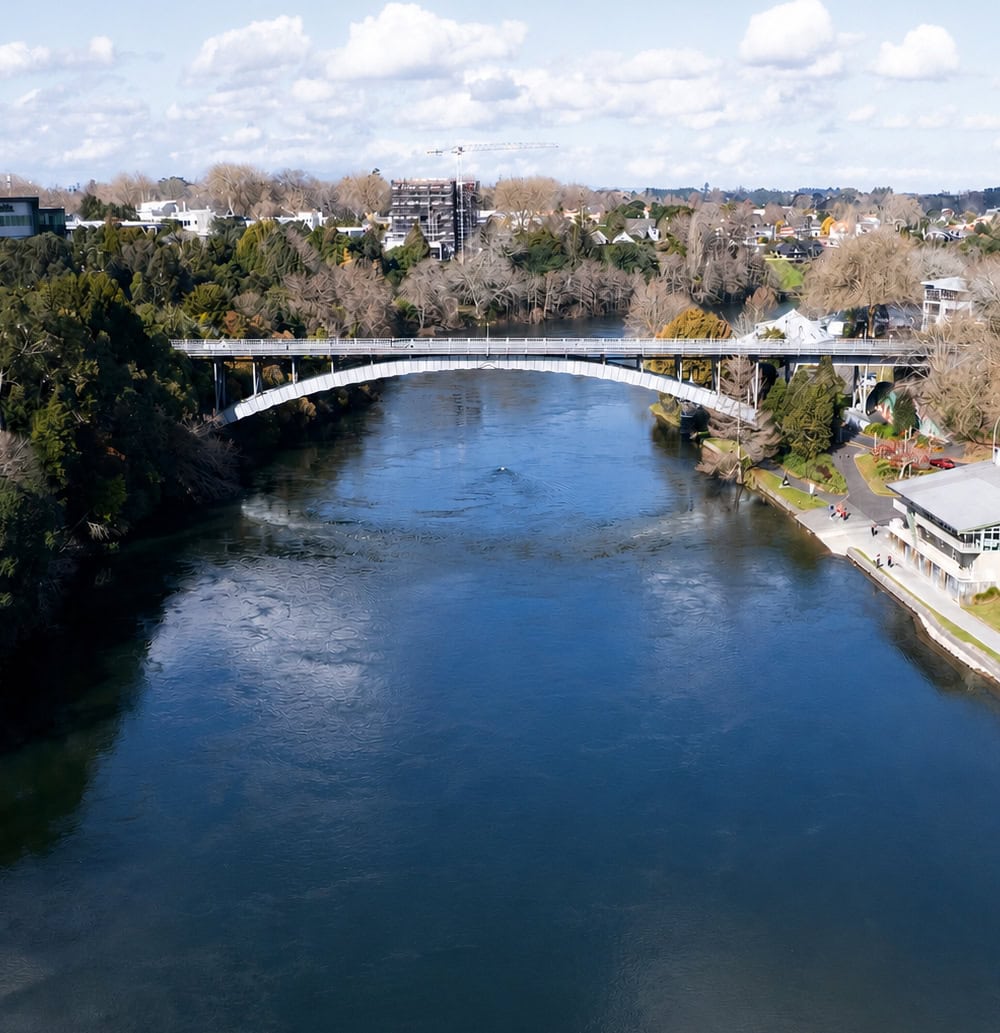
As nearly 4,000 kaihoe and thousands of whānau gather at Lake Karāpiro for the Waka Ama Sprint Nationals 2026 (11–17 January), the Waikato and Waipā River Iwi Tuna Collective will host a special elver (baby tuna) release on the awa.
The elvers release – on Monday 13 January at 3pm – offers paddlers, tamariki, rangatahi, and whānau a hands-on opportunity to connect with the awa and learn about iwi-led restoration of this taonga species.
Project Lead Erina Watene says: “Centring tuna wellbeing while respecting the mana of each iwi in their rohe allows us to support local mahi across the catchment. Events like this at Waka Ama Nationals strengthen whakapapa connections and inspire the next generation of kaitiaki.”
The Waikato and Waipā River Iwi Tuna Collective unites taiao leaders from six iwi and hapū – including Ngāti Koroki Kahukura, Waikato, Raukawa, Maniapoto, Ngāti Tahu Ngāti Whaoa, and Te Arawa River Iwi Trust (TARIT) – in a shared kaupapa to protect and enhance tuna across the Waikato and Waipā catchments. Coordinated by Erina Watene (Waikato), this mahi is a contemporary expression of Te Mana o te Awa, with iwi and hapū exercising mana whakahaere through practical, collective leadership.
Since 2022, the Collective has implemented its strategy He Tuna Ora, He Wai Ora, He Tangata Ora (Thriving Tuna, Healthy River, Thriving People), focusing on five priority areas: elver trap and transfer, downstream migrant protection, information sharing, habitat restoration, and building wider relationships.
Key impacts to date include:
- 2.4 million plus elvers safely transferred upstream of Karāpiro Dam, with three full iwi-led seasons completed and the fourth underway.
- More than two tonnes of downstream migrating tuna rescued from flood pumps and released back into the river.
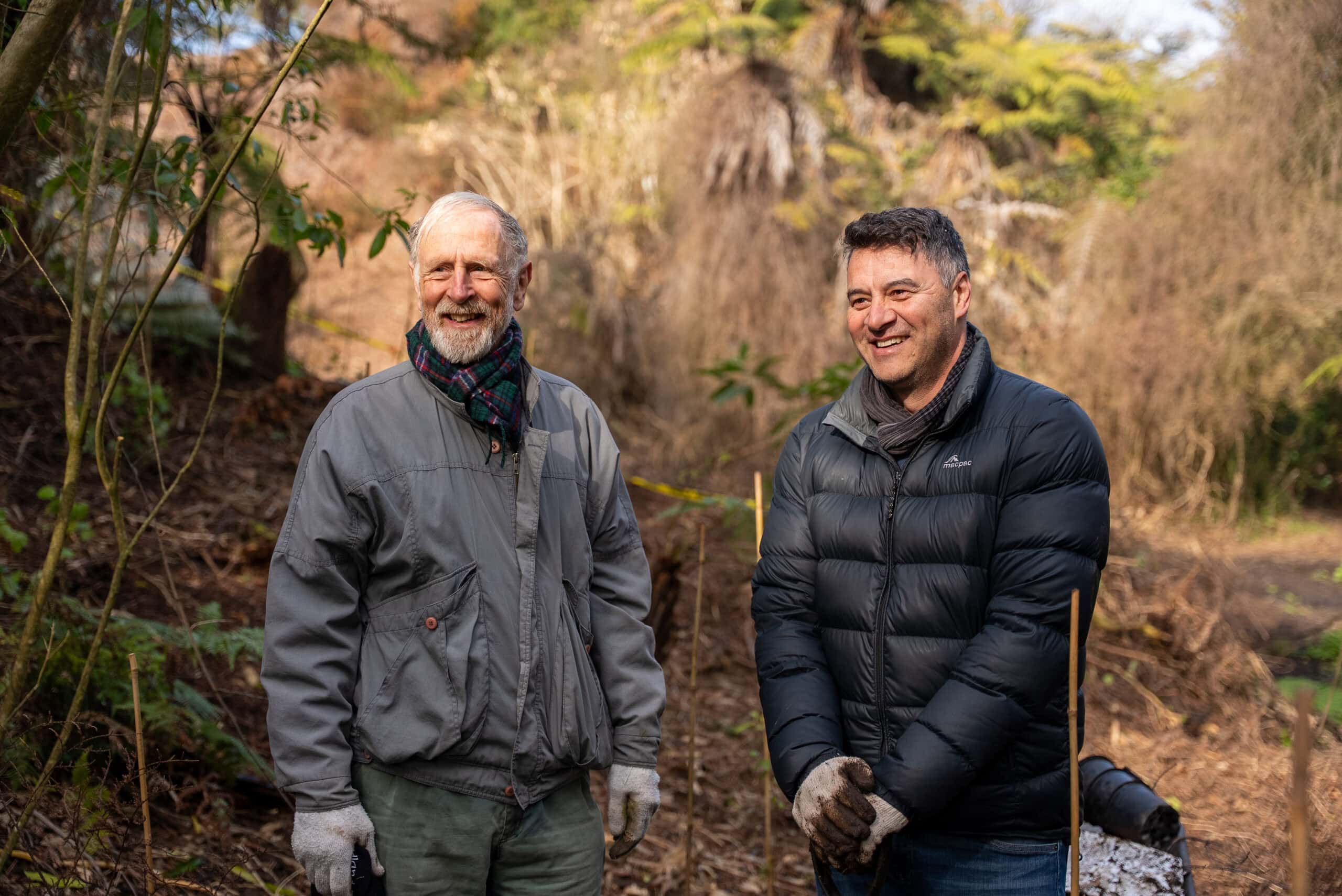
- Training of eight specialist elver transfer kaitiaki and support for four paid interns, building capacity across 36+ kaimahi affiliated with catchment iwi and hapū.
- River-wide symposium, international Indigenous exchanges, children’s pukapuka in te reo Māori, and ongoing habitat reconnection efforts.
The kaupapa is supported by the Waikato River Authority, Mercury Energy, and Waikato Regional Council.